
Attention Activity: The 20-minute decision sprint
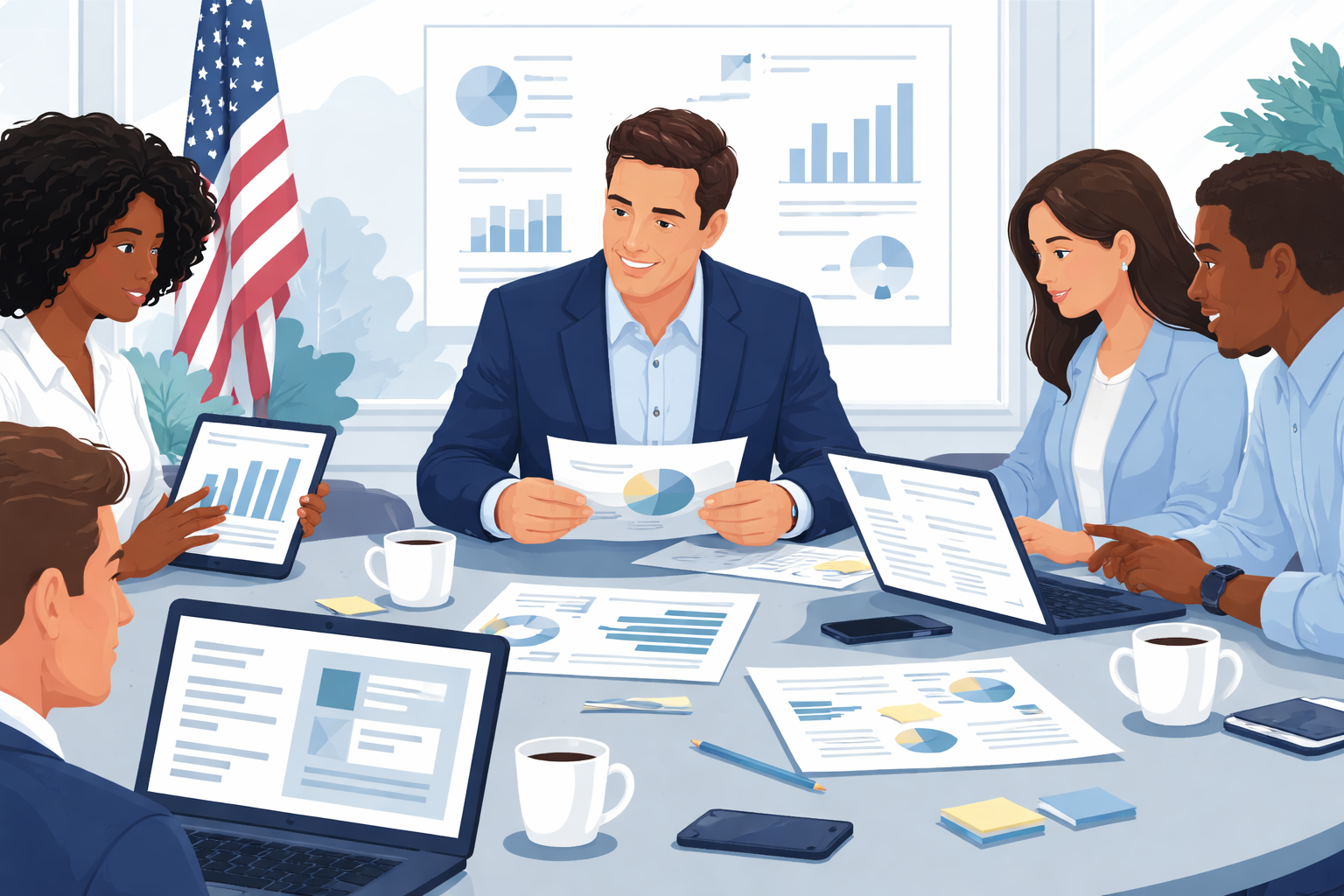
A debate invite, donor briefing, and local issue flare-up hit at once. Which two tasks should AI handle first so you gain speed without giving up judgment?
Pick your first AI assist
Select a task card to compare where AI helps first. You can choose up to two.
Choose one pressure point. The feedback shows the kind of leverage AI gives a candidate in real time.
Campaigning: where AI adds real value
The strongest campaign uses usually fall into four buckets: listening, drafting, research compression, and staff coordination.
Campaign funnel
comments, canvass notes
what voters keep repeating
draft angles to review
scripts and follow-up
AI is most helpful when data is large, repetitive, or time-sensitive.
Knowledge Check: Best first use
Which campaign use is the strongest match for AI's current strengths?
During term: AI can help you govern, not just campaign
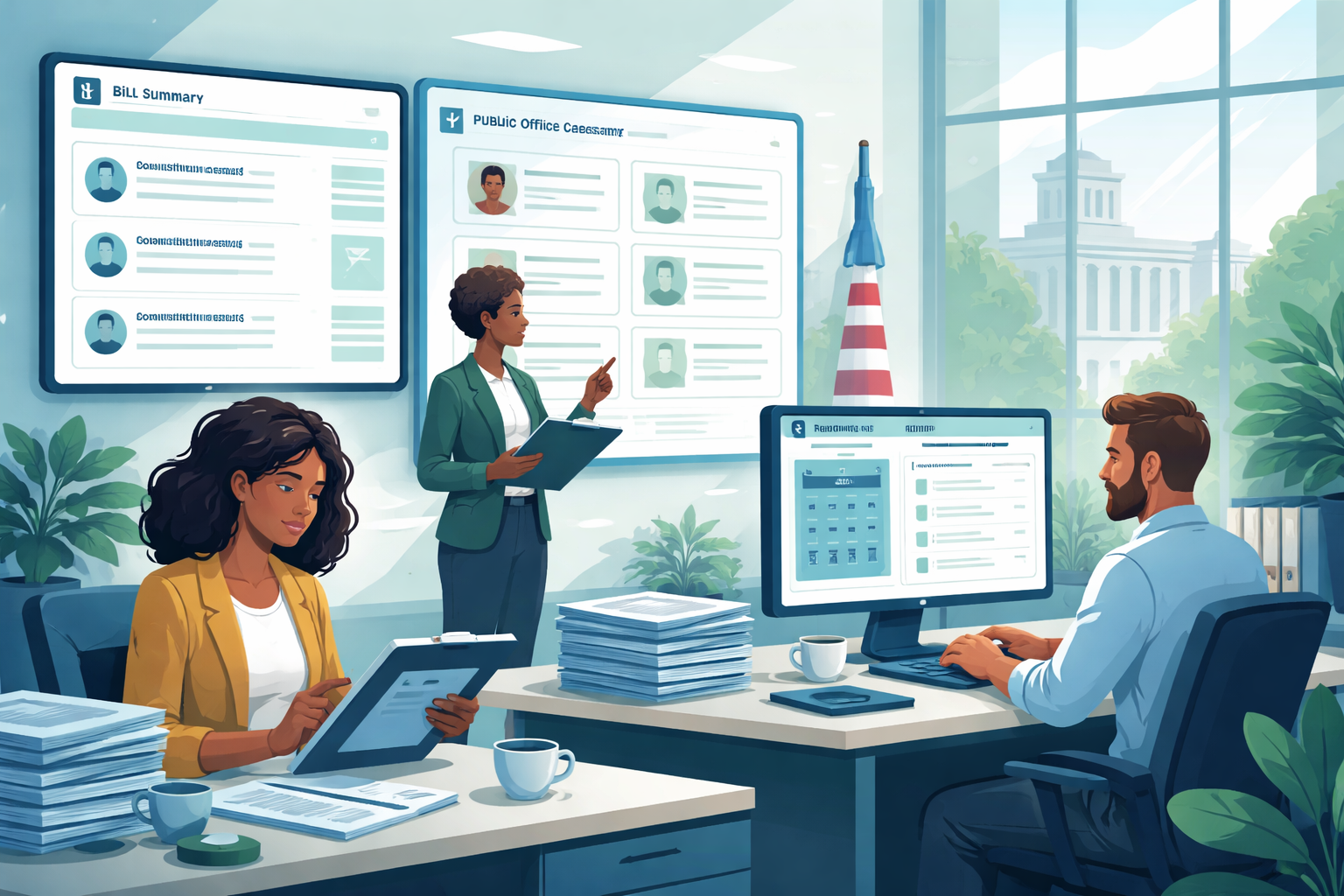
Once in office, AI is most useful against information overload, casework backlogs, and briefing prep.
Office workload map
Tap a task to see how AI should support it inside an elected office.
What AI should never be allowed to do alone
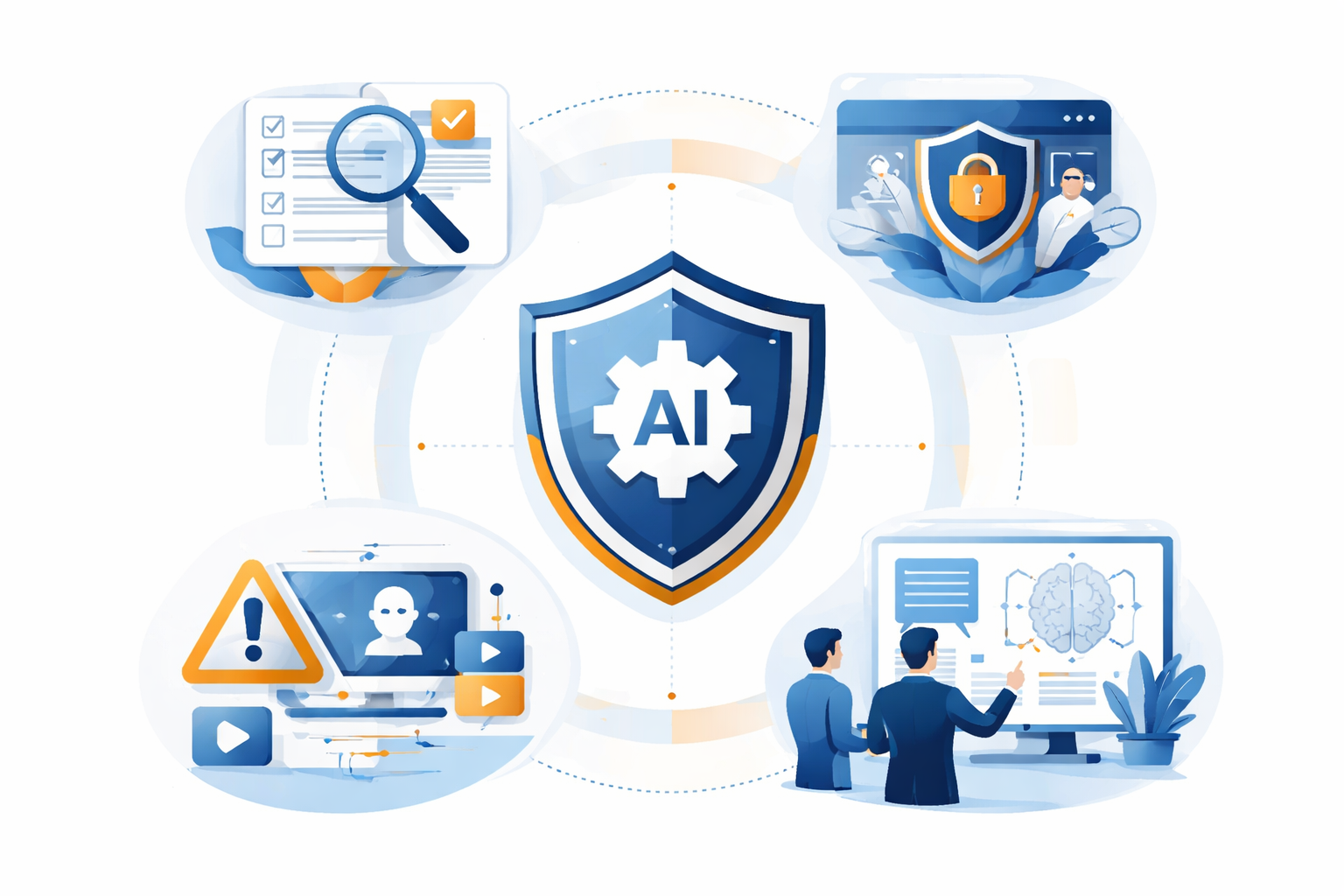
Useful systems can still be wrong, biased, insecure, or deceptive. Candidate teams need visible guardrails before adoption.
Accuracy risk
Models can invent facts, quotes, dates, or legal meaning. Verify before public or official use.
Privacy risk
Casework, donor data, and internal strategy may contain sensitive information unsuited for unsecured tools.
Trust risk
Deepfakes and synthetic media can distort elections, confuse voters, and undermine confidence.
Risk ladder
As risk rises, human review, documentation, and approval should rise too.
Knowledge Check: Human review
Which task most clearly requires human review before action?
A practical operating model for candidate offices
The best teams divide work clearly: AI drafts and surfaces patterns; people verify, decide, and remain accountable.
Select each step to build a simple AI protocol for a campaign or office.
Review ladder
summaries, outlines, tags
facts, tone, privacy, bias
positions, release, action
Summary
Key takeaways to carry into a campaign office or elected office immediately.
- Use AI where speed and pattern-finding matter most: drafting, summarizing, classifying, and comparing.
- Keep humans responsible for judgment, legal interpretation, constituent privacy, and public accountability.
- Campaign teams can use AI to understand themes, prepare materials, and streamline operations.
- Elected offices can use AI for casework triage, legislative prep, hearing support, and staff productivity.
- Set office rules for verification, data protection, and synthetic media response before problems arise.
- NIST AI Risk Management Framework 1.0 and Generative AI Profile.
- CISA guidance on election security, deepfakes, and AI-enabled influence risks.
- Federal Election Commission public materials on AI and campaign advertising discussions.
- National Conference of State Legislatures materials on generative AI in legislative work.
- Brookings analysis on generative AI, democracy, and election trust risks.
Assessment Intro
You are about to begin the scored assessment. Answer all questions before viewing your final score.
- There are 4 questions.
- Each question has exactly 4 answer choices.
- You will see your score only at the end.
- You need 80% or higher to earn the certificate.
Assessment Q1
Choose the strongest answer.
Assessment Q2
Choose the strongest answer.
Assessment Q3
Choose the strongest answer.
Assessment Q4
Choose the strongest answer.
Results
Your final score appears below. Per-question correctness is not shown.